

Pakistan Drug Sale Licence Costs Surge from Rs5,000 Official Fee to Rs250,000 in Practice, Raising Regulatory Concerns
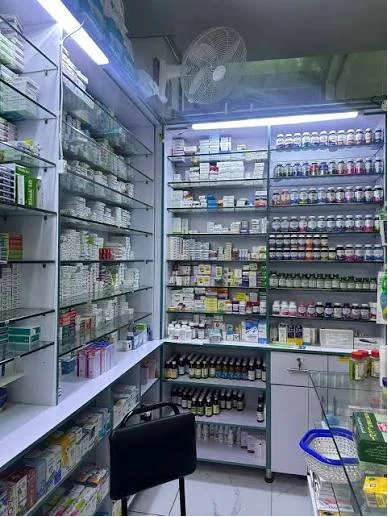
KARACHI: Pakistan's retail pharmacy sector is facing growing scrutiny amid allegations of regulatory violations, unqualified medicine dispensers, and irregularities in the drug sale licensing process, particularly in Sindh.
According to industry sources, a significant number of medical stores in Karachi and interior Sindh are being operated by individuals who lack formal pharmaceutical education and legal authorization to dispense medicines. In some cases, even underage workers are reportedly involved in medicine sales and patient counselling.
Healthcare experts warn that the absence of qualified pharmacists can lead to inappropriate medicine substitutions, incorrect dosage recommendations, and potentially harmful treatment decisions. When prescribed medicines are unavailable, alternatives are often provided without adequate knowledge of the patient's medical condition.
Industry estimates suggest that Sindh has approximately 30,000 medical stores, while only around 20,000 registered pharmacists are available. A relatively small proportion of these pharmacists are actively working at retail pharmacy outlets, leaving many stores under the supervision of unqualified personnel.
Ghost Pharmacists and Weak Enforcement
Under Pakistani law, medicines can only be sold through licensed outlets operating under the supervision of a registered pharmacist. However, investigations indicate that a single pharmacist's credentials are sometimes used for multiple medical stores simultaneously.
Industry observers claim that while pharmacist certificates may be displayed at retail outlets, the pharmacists themselves are often not physically present. In some cases, pharmacists are allegedly compensated for allowing their credentials to be used by multiple businesses.
Drug inspectors are responsible for verifying both licence compliance and pharmacist availability, but stakeholders argue that enforcement remains inconsistent.
Prescription Medicines Sold Without Proper Authorization
Experts also express concern over the widespread sale of prescription medicines without valid prescriptions.
Antibiotics, anti-allergy medicines, multivitamins, and various other pharmaceutical products are frequently sold directly to consumers despite legal restrictions requiring physician prescriptions.
Public health specialists warn that such practices contribute to medication errors and increasing antimicrobial resistance, a growing global healthcare threat that reduces the effectiveness of life-saving antibiotics.
Supreme Court Directives and Ground Reality
According to existing legal requirements and judicial directives, every licensed pharmacy and medical store must operate under the supervision of a registered pharmacist who can provide professional guidance regarding medicine use and dosage.
However, reports from several rural and peri-urban areas of Karachi, including Gadap and Baba Bhit, indicate that numerous outlets continue to operate without qualified pharmacists and lack basic facilities such as refrigeration systems required for vaccine storage.
Drug Licensing Process Under Scrutiny
Industry representatives have also raised concerns regarding the drug licensing system.
Prior to 2020, drug sale licences in Karachi were issued through the Directorate of Health. Following administrative decentralization, licensing authority was transferred to District Health Officers (DHOs) across Karachi's seven districts.
Since then, stakeholders allege that the licensing process has become increasingly vulnerable to inefficiencies and irregular practices.
According to multiple industry sources, while the official government fee for a new drug sale licence remains Rs5,000 and the renewal fee is Rs3,000, the actual cost incurred by applicants can reportedly range between Rs200,000 and Rs300,000. In some cases within Karachi, industry participants claim costs may rise even higher.
Allegations of Middlemen and Informal Payments
Stakeholders allege that the licensing process often involves intermediaries, clerical staff, inspectors, and agents before final approval is granted by district authorities.
Medical store owners claim that additional payments are frequently sought during inspections and document verification stages. Applicants commonly rely on agents who manage the entire process for a lump-sum fee.
A Form-D pharmacist qualification remains mandatory for obtaining a licence. However, industry sources allege that the same qualification is sometimes used to support multiple retail outlets, contrary to regulatory requirements.
Need for Stronger Regulatory Oversight
Pakistan produces thousands of pharmacy graduates annually, and industry estimates indicate that approximately 60,000 pharmacists are registered nationwide. Despite this, stakeholders argue that enforcement of pharmacy regulations remains inadequate.
Experts emphasize that stronger monitoring, digital verification systems, transparent licensing procedures, and stricter enforcement of pharmacist presence requirements are necessary to improve patient safety and restore confidence in the regulatory framework.
They further stress that effective implementation of existing laws could help ensure safer medicine dispensing practices, reduce misuse of prescription medicines, and strengthen Pakistan's healthcare system.
Drug Sale Licence Pakistan Pharmacy Regulation Pakistan Drug Licensing Sindh Ghost Pharmacists Medical Stores Pakistan Drug Inspectors Healthcare Regulation Drug Act Pakistan Pharmaceutical Industry Pakistan Patient Safety


Comments & Discussion (0)
Leave a Comment